TMJ Massage Buffalo NY: Chiropractic Care for Jaw Tension and TMJ Symptoms
Looking for TMJ massage in Buffalo, NY? Massage and soft-tissue techniques may help relieve muscle tension around the jaw, neck, and shoulders. Chiropractic care can take a broader approach by evaluating the musculoskeletal factors that may be contributing to TMJ-related discomfort.
Looking for TMJ Massage in Buffalo, NY?
If you are searching for TMJ massage in Buffalo, NY, you may be dealing with jaw tension, facial discomfort, headaches, neck pain, or tight muscles around your jaw and shoulders. Massage can be an appealing option because relaxing tense muscles may provide temporary comfort for some people.
However, TMJ symptoms are not always caused by muscle tension alone. The temporomandibular joints, jaw muscles, neck, upper back, posture, and movement patterns can all play a role in how a person experiences jaw-related discomfort.
A broader approach may be helpful. Some people searching for TMJ massage may want to work with a chiropractor who incorporates massage or soft-tissue techniques while also evaluating the jaw, neck, upper back, posture, and surrounding muscles.
TMJ Massage, TMJ Release Massage, or Chiropractic Care?
The right approach depends on what is contributing to your symptoms. For some people, massage may be helpful for muscle tension. Others may benefit from a broader evaluation when jaw symptoms occur alongside neck pain, headaches, posture concerns, or recurring upper-body tension.
TMJ Massage
Massage may help address tight or tense muscles around the jaw, neck, shoulders, and upper back. For some individuals, reducing muscular tension may improve comfort and relaxation.
TMJ Release Massage
People searching for TMJ release massage are often looking for techniques that may help relax tension in the muscles involved in jaw movement. Depending on the individual, soft-tissue work may focus on the jaw, face, neck, shoulders, or upper back.
TMJ Chiropractic Care
A chiropractor may evaluate the broader musculoskeletal system to determine whether factors involving the jaw, neck, upper back, posture, movement, or muscle tension may be contributing to your symptoms.
These approaches are not necessarily competing options. In some situations, massage or soft-tissue techniques may be incorporated into a broader chiropractic approach.
Looking for a TMJ Chiropractor in Buffalo NY?
If you searched for a TMJ chiropractor in Buffalo, you may be experiencing more than isolated jaw discomfort. Some people have jaw tension along with neck pain, headaches, shoulder tightness, upper-back discomfort, or symptoms that keep returning after temporary relief.
A Bigger Picture of TMJ Symptoms
A chiropractor may consider how the jaw, neck, shoulders, upper back, posture, and movement patterns interact. This can be particularly relevant when TMJ-related symptoms occur alongside other musculoskeletal complaints.
The goal is not to assume that every TMJ problem requires chiropractic care. Instead, the goal is to determine whether musculoskeletal factors may be contributing to your symptoms and whether conservative care is appropriate.
When a TMJ Chiropractor May Be Considered
- Jaw tension accompanied by neck discomfort
- Recurring muscle tightness around the jaw
- Headaches associated with muscle tension
- Shoulder or upper-back tension alongside jaw symptoms
- TMJ symptoms following an accident or injury
- Tension that repeatedly returns after temporary relief
What Is TMJ and Why Can It Cause Pain?
The temporomandibular joints, commonly referred to as the TMJ, connect the lower jaw to the skull on both sides of the head. These joints allow the jaw to move when you talk, chew, yawn, and perform other everyday activities.
TMJ-related symptoms can develop for many different reasons. Muscle tension, jaw clenching, teeth grinding,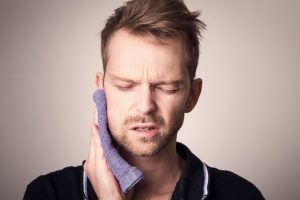 stress, injury, and other factors may contribute to discomfort for some individuals.
Because the jaw interacts with the muscles and structures of the head, neck, and upper body, some people experience symptoms beyond the jaw itself. Headaches, facial tension, neck discomfort, and shoulder tightness may occur alongside jaw-related complaints.
Searching for TMJ Help Near Me?
If you have searched for “TMJ help near me,” you may be trying to find a convenient provider who understands the relationship between jaw tension and the surrounding muscles and joints.
Jaw and Facial Tension
Muscles involved in chewing and jaw movement may become tight or tender. Soft-tissue techniques may be considered when appropriate.
Neck and Shoulder Tension
Some people experience jaw symptoms alongside tension in the neck, shoulders, or upper back.
Headaches and Muscle Tension
Some headaches may be associated with muscle tension involving the jaw, neck, or upper body, although headaches can have many possible causes.
Recurring Symptoms
If jaw tension repeatedly returns after temporary relief, a broader evaluation may help identify factors that could be contributing to recurring discomfort.
Areas That May Be Addressed During TMJ Massage
Jaw Muscles
The muscles responsible for chewing and jaw movement may become tight or tender.
Neck Muscles
Neck tension may occur alongside jaw discomfort and can be considered during a broader evaluation.
Shoulders and Upper Back
Stress and prolonged posture can contribute to tension in the shoulders and upper back.
Head and Facial Tension
Some individuals experience tension around the temples, face, or other areas near the jaw.
TMJ Massage for Jaw Clenching and Teeth Grinding
Jaw clenching and teeth grinding are common concerns among people experiencing TMJ-related symptoms. Repeated clenching can place stress on the muscles responsible for chewing and may contribute to soreness, tightness, fatigue, or discomfort around the jaw.
Massage may help relax tense muscles, but it does not necessarily address why a person is clenching in the first place. Stress, sleep-related habits, dental factors, and other issues may all play a role.
Why Does My Jaw Keep Getting Tight?
If jaw tension repeatedly returns after massage, the muscles may be responding to an underlying factor that has not been addressed. A broader evaluation may help identify contributing issues involving posture, neck tension, stress-related habits, clenching, or other factors.
Can Posture Affect TMJ Symptoms?
Posture is one factor that may be considered when someone experiences jaw and neck discomfort. Many people spend hours each day sitting at a desk, working on a computer, looking at a phone, or performing other activities that keep the head and upper body in one position.
Stress, Jaw Tension, and TMJ Symptoms
Stress is frequently associated with jaw clenching and muscle tension. Massage may be helpful for relaxation and may temporarily reduce muscle tension. If stress-related clenching continues, however, the tension may return.
TMJ Massage After a Car Accident in Buffalo NY
Some people begin experiencing jaw pain or muscle tension after a car accident. A collision can place sudden stress on the head, neck, and upper body, and symptoms may develop immediately or become noticeable later.
People involved in a motor vehicle accident may experience jaw soreness, neck pain, headaches, shoulder tension, or discomfort in the upper back. In some cases, jaw-related symptoms may occur alongside whiplash or other injuries.
When TMJ Massage May Not Be Enough
Massage can be a useful tool for managing muscle tension, but it is not designed to diagnose or treat every possible cause of jaw pain. If symptoms repeatedly return, become progressively worse, or involve significant restriction of jaw movement, additional evaluation may be appropriate.
Consider Additional Evaluation If You Experience:
- Severe or persistent jaw pain
- Significant difficulty opening or closing your mouth
- Jaw locking
- Major swelling around the face or jaw
- Severe pain following an injury
- Difficulty swallowing or breathing
- Symptoms that continue to worsen
Some TMJ symptoms may involve dental concerns, problems within the jaw joint, injuries, or other conditions requiring evaluation by a dentist, physician, or another qualified healthcare professional.
When Should You See a TMJ Specialist?
If you are searching for a TMJ specialist because your symptoms are persistent, severe, or difficult to understand, the most appropriate provider depends on the suspected cause of your symptoms.
A dentist may be appropriate for concerns involving the teeth, bite, jaw joint, or nighttime grinding. A chiropractor may be appropriate when musculoskeletal factors such as muscle tension, neck discomfort, or upper-body tension are part of the problem. In some situations, patients may benefit from evaluation by more than one type of healthcare professional.
What to Expect From a TMJ Massage and Chiropractic Evaluation
Discuss Your Symptoms
Your provider may ask about jaw pain, tension, clicking, headaches, neck discomfort, clenching, grinding, previous injuries, and other symptoms.
Evaluate the Bigger Picture
A broader evaluation may consider the jaw, neck, shoulders, upper back, posture, and other musculoskeletal factors.
Discuss Your Options
Based on the evaluation, your provider can discuss whether massage, soft-tissue techniques, chiropractic care, or another type of professional evaluation may be appropriate.
TMJ Massage Buffalo NY Frequently Asked Questions
Can Massage Help With TMJ Pain?
Massage may help some people who experience TMJ-related muscle tension. Soft-tissue techniques can be used to address tight muscles around the jaw, neck, shoulders, and upper back. However, the cause of TMJ symptoms varies from person to person.
Is a Chiropractor Better Than Massage for TMJ?
There is no single answer that applies to everyone. Massage may be helpful when muscle tension is a significant factor. A chiropractor may offer a broader musculoskeletal evaluation that considers the jaw, neck, upper back, posture, and surrounding muscles.
Can TMJ Massage Help With Jaw Clenching?
Massage may help relax muscles that have become tight from clenching. However, massage does not necessarily address the reason a person is clenching. Stress, habits, sleep-related grinding, and dental factors may all contribute.
Can TMJ Symptoms Start After a Car Accident?
Yes. Some people notice jaw pain or tension after a motor vehicle accident, particularly when symptoms occur alongside neck pain or whiplash-related complaints. If symptoms began following an accident, tell your healthcare provider when they started.
Should I See a Chiropractor or Dentist for TMJ?
The answer depends on the symptoms and suspected cause. A dentist may be appropriate for concerns involving the teeth, bite, jaw joint, or grinding. A chiropractor may be appropriate when musculoskeletal factors such as muscle tension, neck discomfort, or upper-body tension are part of the problem.
How Often Should I Get TMJ Massage?
There is no universal schedule appropriate for everyone. The frequency of massage or other conservative care depends on the individual’s symptoms, goals, and response to treatment. A qualified provider can recommend an approach based on your specific situation.
Looking for TMJ Massage in Buffalo NY?
If you are experiencing jaw tension, facial discomfort, headaches, neck pain, or other TMJ-related symptoms, consider speaking with a qualified healthcare professional about your options. A chiropractor who incorporates massage or soft-tissue techniques may be able to provide a broader musculoskeletal evaluation while addressing areas of muscle tension.
Contact Our Buffalo Chiropractic Office
Call 716.217.5010
The information provided on this page is intended for general informational purposes and is not a substitute for professional medical advice, diagnosis, or treatment. Individual results may vary. Always consult a qualified healthcare professional regarding your individual health concerns.